
Technology enhances home security by delivering timely situational awareness and actionable data. Smart cameras and intercoms provide visual verification and rapid communication across distances. AI-powered sensors learn patterns, flag anomalies, and generate concise alerts. A resilient system emphasizes privacy, secure connectivity, and straightforward upgrades, with offline fallbacks and regular audits. The balance of autonomy and protection prompts careful consideration of configuration, data sovereignty, and long-term stewardship as new capabilities emerge.
What Tech-Driven Home Security Really Delivers
Tech-driven home security systems deliver a structured blend of situational awareness, rapid response, and actionable data. They empower households with proactive protections, reduce uncertainty, and streamline decision-making without surrendering autonomy.
Privacy bias and data sovereignty shape configuration choices, ensuring control over information flows. The approach prioritizes resilient architectures, transparent policies, and user empowerment, delivering reliable protection while preserving freedom from overreach and surveillance.
Smart Cameras and Intercoms: See, Speak, Respond Anywhere
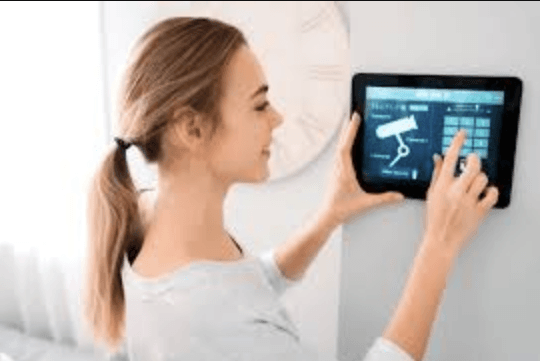
Smart cameras and intercoms extend the earlier framework of proactive protection by enabling visual verification, real-time communication, and remote monitoring. They provide dependable, accessible oversight without intrusion, empowering owners to verify incidents, speak clearly, and respond promptly.
With robust connectivity and durable hardware, smart cameras and intercoms speak to secure, adaptable homes, reducing risk while preserving autonomy.
AI-Powered Sensors: Pattern Learning, Anomaly Detection, and Alerts
AI-powered sensors elevate home security by learning normal patterns, detecting deviations, and issuing actionable alerts. In practice, ai powered sensors patterns facilitate continuous monitoring, translating data into concise insights. Anomaly detection operates autonomously, flagging irregular activity while preserving privacy. Alerts notify occupants and systems, enabling timely responses. This methodical approach strengthens safety without imposing complexity or vulnerability, supporting a principled, freedom-centered security posture.
Build a Resilient System: Privacy, Connectivity, and Easy Upgrades
How can a home security system remain reliable over time while protecting privacy, maintaining stable connectivity, and accommodating future updates?
A resilient setup emphasizes privacy preservation and firmware modularity, enabling progressive enhancements without reconfiguring core devices.
Regular audits, secure boot, and encrypted data flows preserve autonomy.
Open standards facilitate upgrades, while offline fallback modes sustain operation during outages, ensuring dependable, user-empowering protection.
Frequently Asked Questions
How Do I Choose the Right Smart Home Security Package for My Budget?
To choose the right package, one should assess the budget smart home needs, compare features and costs, and perform a price comparison across providers; prioritize reliability, scalability, and user autonomy within the budget-friendly framework.
What Maintenance Schedules Keep Security Devices Reliable Long-Term?
A statistic: 80% of security outages happen from missed maintenance. The approach outlines a precise maintenance cadence and battery management, ensuring firmware checks, sensor recalibration, and proactive replacements, enabling proactive, freedom-oriented homeowners to trust their systems.
See also: bbwtech
Can Cameras Function During Power Outages and Internet Downtime?
Cameras during outages may operate via local storage and battery backup, but not all models. Offline security functionality varies; planners should verify battery duration, local recording capacity, and offline alerts, ensuring independent operation while preserving user autonomy.
Are There Any Privacy-Preserving Options for Smart Security Systems?
Like a lighthouse in fog, the answer is yes: privacy preserving options exist for smart security systems. This approach emphasizes data minimization, on-device processing, encrypted storage, and transparent controls to empower users seeking freedom and control.
How Does One Balance Security Upgrades With Daily Convenience?
Balancing security upgrades with daily convenience, one pursues layered protection and streamlined workflows. Prioritizing security privacy, automation protocols, and consent-based data sharing preserves autonomy. Emphasize energy efficiency, device interoperability, and transparent usage logs to sustain personal freedom.
Conclusion
A precise, proactive assessment shows technology can strengthen home security without compromising autonomy or privacy. By combining smart cameras, intercoms, and AI-powered sensors, households gain real-time visibility, verification, and targeted alerts while maintaining data control through offline fallbacks, encryption, and open standards. Anticipating concern about usability or dependence, the system remains modular and upgradable, ensuring resilience even during outages. In short, proactive protection scales with needs, preserving privacy and sovereign data while lowering risk.