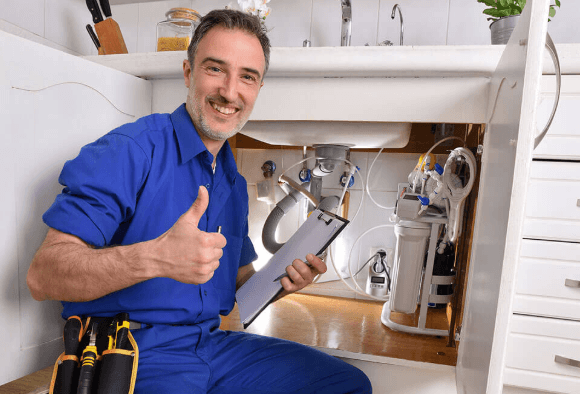

Regular plumbing inspections deliver clear financial and safety benefits. They identify minor faults before they become major expenses, enabling proactive maintenance and targeted replacements. The process improves system integrity, air quality, and safety by catching leaks, moisture, and unseen defects early. Routine checks also support planning and documentation, helping homeowners make informed decisions. The result is greater efficiency and resilience, but the implications for long-term costs require careful consideration as issues emerge.
Why Regular Plumbing Inspections Save You Money
Regular plumbing inspections identify small issues before they escalate, preventing costly emergency repairs and collateral damage to the property. By scheduling routine checks, home maintenance becomes proactive rather than reactive, enabling targeted service and timely replacements.
This disciplined approach preserves system integrity, reduces unexpected expenditures, and yields clear cost savings, reinforcing responsible ownership and freedom from disruptive, uncontrolled plumbing failures.
Detecting Hidden Problems Before They Escalate
Detecting Hidden Problems Before They Escalate requires a systematic approach to identify issues not immediately visible to the untrained eye. Hidden leaks often manifest through subtle moisture, stain patterns, or unexplained increases in utility bills, warranting targeted diagnostics. Pipe aging compromises integrity, risking sudden failure. Thorough inspections prioritize precise measurements, consistent corrosion checks, and validated remediation plans to prevent escalation and protect infrastructure.
How Inspections Improve Home Safety and Air Quality
Inspections play a pivotal role in enhancing home safety and air quality by systematically identifying hazards that could compromise occupants’ health.
Regular assessments reveal hidden defects, enabling timely remediation that prevents leaks, contamination, and oppressive odors.
See also: Technology Enhancing Student Experience
What to Expect During a Routine Plumbing Check
During a routine plumbing check, a structured, step-by-step assessment is conducted to verify the integrity and functionality of the home’s water and drainage systems.
The process includes inspecting fixtures, evaluating water pressure checks, and scanning for micro leaks.
Technicians document outcomes, flag potential problems, and provide actionable recommendations, ensuring safety, efficiency, and resilience while preserving homeowner autonomy and freedom in maintenance decisions.
Conclusion
Regular plumbing inspections deliver measurable cost savings by identifying brewing issues before they become emergencies. They enable targeted replacements, preventive maintenance, and accurate budgeting, all while preserving system integrity. Early detection of hidden leaks, moisture, and defects minimizes collateral damage and safety risks. Routine checks also improve indoor air quality through timely remediation. In essence, inspections function like a well-turnished workshop: meticulous, organized, and capable of preventing small faults from sparking large, unexpected failures.